
How is technology like Scan to BIM redrawing the line between design and construction
Today’s infrastructure is more extensive in scale and more complex than ever. There’s a growing demand, instead, need for environmental sensitivity. A shortage of skilled labor adds to the already challenging AEC landscape.
The construction industry has been slow to adopt technology. And it shows in the infrastructural developments. According to McKinsey, there is a need to spend nearly $57 trillion on infrastructure globally by 2030.
What’s the real challenge?
The need for speed, productivity, and efficient outputs.
Making a Difference with Technology
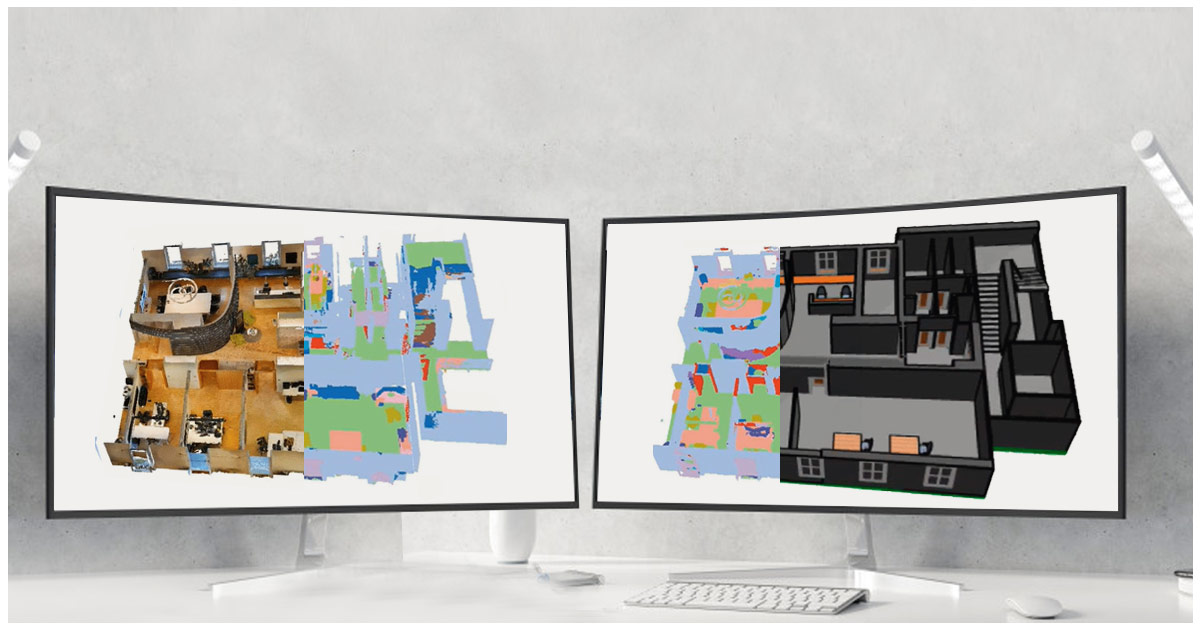
New technology is designed to assist in AEC workflows. One tool that makes a big difference is Scan to BIM. The innovation offers a precise representation of what exists.
While it was famous for restoration and preservation, designers are leveraging the tool for infrastructural development today. Many builders and AEC professionals benefit from the technologies for unparalleled effectiveness and efficiency.
What’s new in construction technology?
- Real-time Updates through Digital Twins
- Artificial Intelligence
- Collaborating through Cloud
Cloud-based communication records everything from the original structure to every repair or retrofit. The new-age collaboration makes the impossible possible by documenting each phase.
This tool facilitates lower risks and budgets as builders can utilise data to record changes, update details, and schedule workflows.
Major Roadblock in Infrastructural Development
The geological surprise is one of the primary reasons behind every rocketing budget and delay. The manual approach to survey and mapping results in a considerable difference between what’s present on the screen and ground reality.
Even a minute discrepancy can cost expensive last-minute design and scope alterations. That’s where the scan to BIM steps are. The advanced technique works with 3D laser scanning and high-definition photography, promising rapid and precise digital mapping.
Gaining Infrastructural Control with Scan to BIM
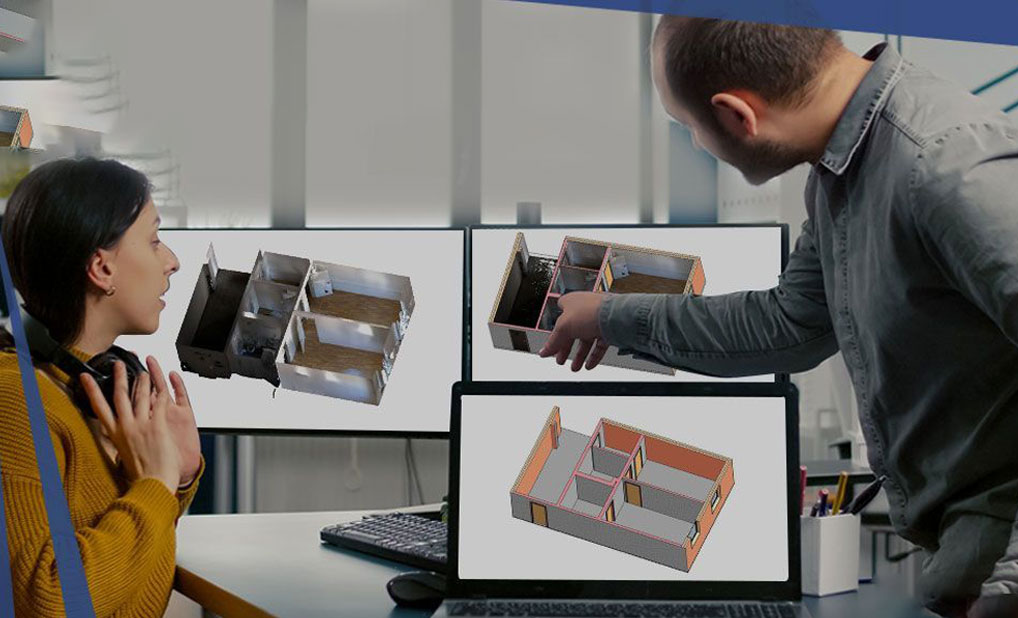
With evolving environmental and social priorities amidst global disruptions and following rapid urbanisation, the world is witnessing a surge in infrastructural demands.
The global population is projected to reach a striking 6.3 billion by 2050, pressuring the industry to undertake fast-paced infrastructural developments. Let’s understand the role of Scan to BIM in gaining control over the challenges and demands.
- Captures Precise Point Cloud Data
Can you imagine manually scanning infrastructure like tunnels, roads, or bridges? The tediousness makes it feel more challenging. And one can’t promise accuracy in the process.
In such complex cases, laser scanners make the process swifter. Employing mobile laser scanning adds value to the process as these carry out detailed surveys. Mobile laser scanning mounts the scanners on vehicles and drones. This approach ensures zero disruptions in the normal functioning of bridges and roads.
The 360-degree videos and imagery offer clarity and accuracy in the scan.
- Comprehensive Modelling with Point Clouds
The scanned information is translated into comprehensive 3D models. Site photographs, documentation, and every piece of recorded data are stitched together into a whole, offering a holistic understanding of the context.
A manual approach often results in discrepancies, missing information, and lacking coordination. This is where technology shines. Data registration and BIM modeling offer unparalleled precision when constructing as-built digital twins.
- The Holistic Networks
Imagine manually scanning road networks. Does it involve the length, width, and topography alone?
No.
Rather, drains, sidewalks, gas pipelines, posts, gutters, traffic lights, etc., are endlessly networked. When it comes to manual records, errors and missing details are inevitable.
This is where scan to BIM accurately measures every curve, undulation, or network of services. Thus, the final development plan ensures a seamless coordination between the old and new, reducing clashes.
It also allows the professionals to assess which elements can be reused to keep the project budgeted and sustainable.
Changing the Infrastructural Game with Tech
Automation and digital twins have emerged as higher productivity and growth mantras. The construction industry has much to catch up on regarding infrastructure developments and redevelopments. This is where professionals must allow technologies like Scan-to-BIM to shape the projects.
It is the key to the exact representation of the existing, facilitating quick, efficient, and informed decisions. Modern tools will allow us to build more at a faster pace with less. Embracing solutions like Scan to BIM will let us assess, plan, and construct faster, sustainably, and meet the growing demands.
At nCircle Tech, we believe in introducing innovation at every corner. Since it’s time to get building, our tech-driven team is always on their feet to help automate, innovate, and ace every AEC project. To know more about our scope of scan to BIM services, https://ncircletech.com