Five Strategies to Get the Best Outcomes with Scan to BIM
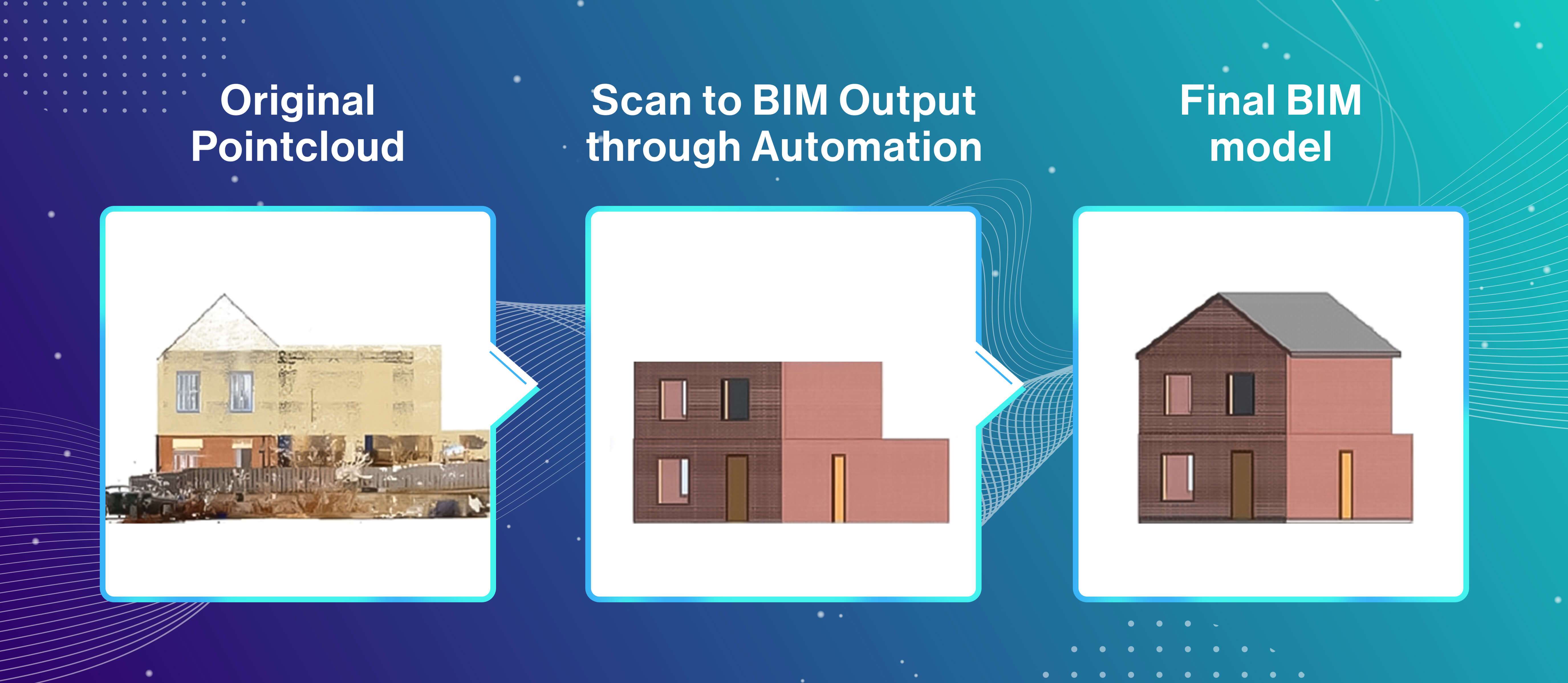
BIM, or Building Information Modelling, is a technology ruling the AEC fraternity, all thanks to its wide array of benefits. Scan to BIM is one of the most popular fragments of BIM that utilises a 3D laser scanner. But why is its popularity gaining momentum?
Well, Scan to BIM is acclaimed as one of the quickest ways of deriving data owing to the involvement of a 3D laser for scanning purposes. Besides, it helps AEC professionals in tackling complex projects with ease.
However, despite the presence of various advantages, Scan to BIM comes along with a few challenges. These challenges, if addressed with utmost intricacy and care, ensure a comprehensive AEC workflow for your construction projects.
5 Ways to Channel Scan to BIM for the Best AEC Outcomes
1. Pick the Right Tools Over Fancy Technology
BIM isn’t all about the most dynamic and powerful technological system. Instead, it involves the usage of the right tool in accordance with the requirements of the project.
Here are a few things that can impact your system’s performance:
- CPU Speed
- The number of cores
- System memory size
- Graphics card
- Size of hard drive
Thus, one of the common problems with Scan to BIM is not picking up the right graphic card. To avoid this mistake, opt for a CAD-compatible graphic card rather than choosing an expensive one. If you’re looking for holistic BIM-based solutions for your next construction venture, nCircle Tech has some great services to offer.
2. Bridging the Gap Between New Software and Traditional Skills
If you think BIM is synonymous with using the most technologically hyped software, you are moving in the wrong direction. You need much more than an advanced software setup to bring out the best outputs in your AEC venture.
But what exactly do you need to sail your BIM boat? A key factor in ensuring great AEC workflows is a comprehensive skill set. A lot of BIM modellers make this mistake. If you’re constantly upgrading your tech assets but using them the same way you used to, you’re probably just wasting money.
Instead of doing this, try enhancing your skillset. Combining technological expertise with experience can add finesse to your work, ensuring better outcomes.
3. Say No to Project Delays with Better Quality Checks
One of the most common mistakes in Scan to BIM workflows is relying solely on the technology rather than performing regular quality checks. But why is this a necessity?
The lack of comprehensive quality checks translates into inaccurate BIM models, causing construction delays. Holistic quality checks in a Scan to BIM workflow ensure beneficial outcomes for all the stakeholders at every step of the construction process.
To avoid this mistake, you should always check your BIM models in alignment with the following aspects:
- Duplication
- Misplacement of elements
- Constructability of model
- Industry standards
Besides, if you want to get your hands on productive quality checks while saving on resources and time, get in touch with nCircle Tech’s team of experts for the best possible solutions.
4. Ensure Transparency in Communication and Collaboration
Even though Scan to BIM is a tech-centric process, collaboration among the stakeholders forms the crux of this workflow. But why so? It is because a lack of transparency in communication can lead to inaccurate results and inconsistencies in the Scan to BIM process.
Neglecting the need for transparency and collaboration in this workflow is a common mistake that BIM modellers make. How can this be solved for an optimized Scan to BIM process?
- Ensuring the use of a standardized scanning procedure
- Investing in good-quality collaboration platforms
- Training team members to work with project management tools
- Implementing coordination meetings to avoid disruptions
Want to make the most of your AEC projects with all these strategies and more? Tune into nCircle Tech’s services and pick the most appropriate solutions for your venture.
5. Invest Time in Curating a Comprehensive BIM Execution Plan
Do you believe that BIM execution plans are only helpful for large-scale projects? If that’s the case, let's break this myth for you.
While bringing an AEC project to life, it is better to have even a basic plan at hand rather than having none at all. How does that help?
Well, a BIM execution plan enables you to streamline the roles, expectations, and process requirements that help avoid any future hassles. It also gives you a holistic idea of what tools and equipment will ensure successful project completion.
Here’s everything you need to curate a basic BIM execution plan.
- BIM goals and objectives
- Task allocation and execution structure
- Information exchange protocol
- Infrastructure requirement
These issues can hamper your Scan to BIM process if not appropriately addressed. Therefore, it is essential to avoid these common mistakes and align with these strategies to curate a workflow that ensures accurate and well-designed outcomes.
Want a one-stop solution for all your problems associated with Scan to BIM? nCircle Tech offers various software and BIM-related solutions that streamline your AEC workflows.
With over ten years of expertise in delivering technological finesse in the AEC fraternity, nCircle Tech also has diverse solutions that cater to your Scan to BIM challenges. Want to get your hands on these tools? Contact us and explore an amazing array of Scan to BIM services.