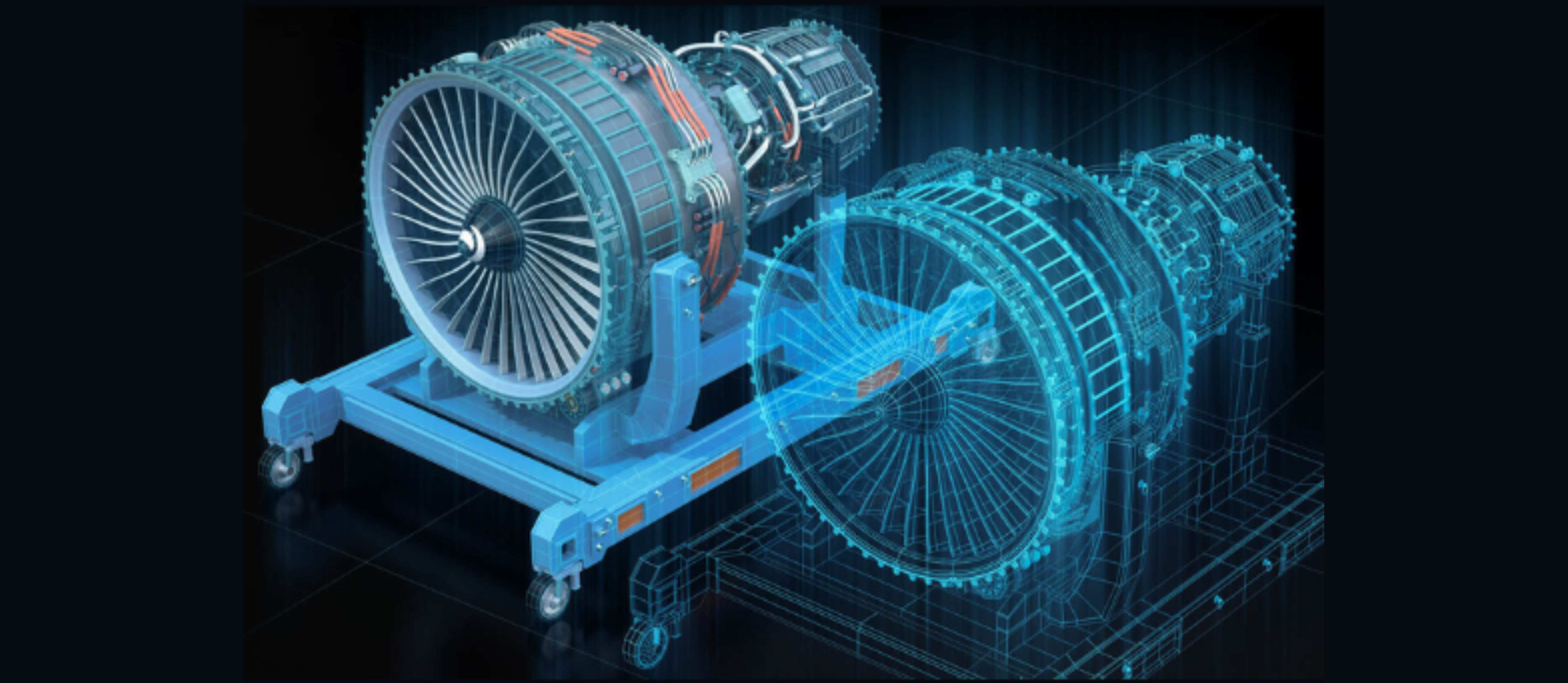
Digital Twins – Tackle the construction hurdles the Smart way
The global digital twin market is estimated to grow at a CAGR of approximately 30% between 2023 and 2027. As reflected in the current scenario, 29% of global manufacturing companies have completely or partially executed their digital twin strategies.
Wondering why?
From meeting sustainability goals to promoting interoperability across multifaceted platforms, digital twins can tick many boxes for your construction project. This accounts for the augmenting popularity of the technology for AEC initiatives.
Here are some major challenges that have become easier to tackle with the introduction of the digital twin technology.
What challenges do digital twins solve in construction?
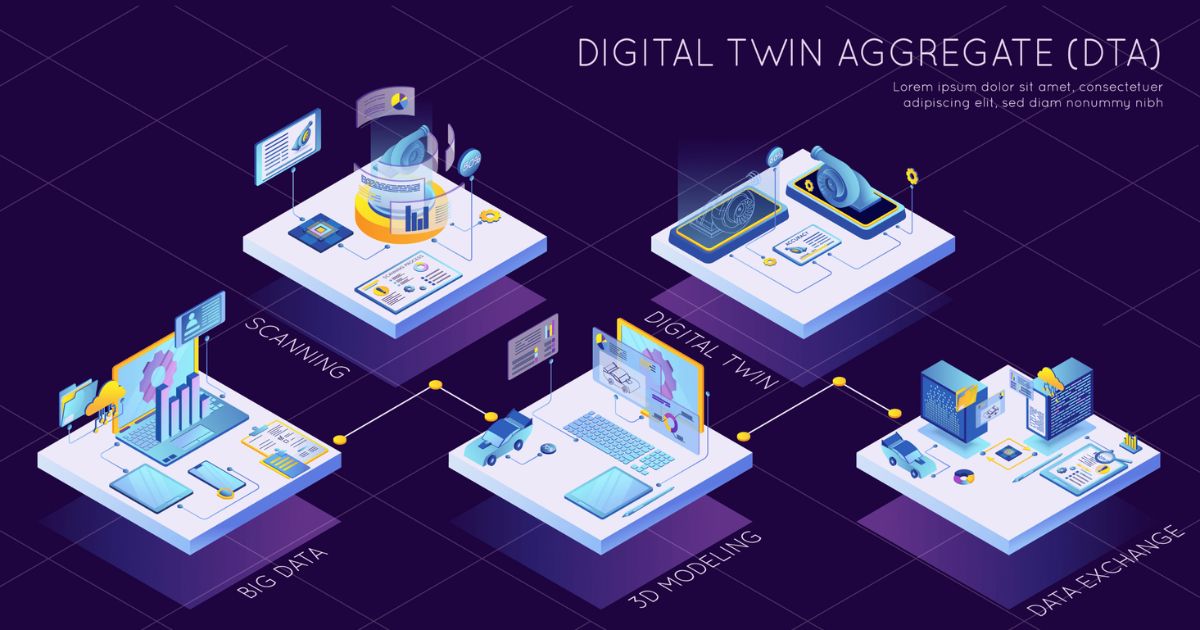
1. Unexpected Cost Overruns
Precise cost estimation is one of the primary factors that sets the tone for a construction venture’s success. However, without real-time data analysis, this journey toward success can be inundated with roadblocks if cost overruns are not tackled well.
Digital twins help handle construction projects with utmost accuracy by ensuring the project costs align with the budget. Through constant real-time data derivation and updates, digital twins reflect the current project scenario. This predictive analysis helps foresee any probable construction issues and mitigate them accordingly.
Here are some potentials of digital twins that help maintain the financial health of a construction project.
- Identifying the primary cost-saving opportunities.
- Tracking project progress in accordance with the budget in real-time.
- Scenario-based planning to ensure financial risk mitigation.
2. Unnecessary Project Delays
Digital twin technology could be a real saviour in reducing unnecessary project delays. Before an AEC venture comes to life in a physical and tangible form, digital twins enable holistic visualisation that helps assess potential flaws in the design and construction workflows.
Once you are well-versed in the hurdles that can hamper project execution, it becomes easier to remove them. Also, through enhanced risk assessment, project managers and contractors can make optimum modifications to the project workflow.
Ultimately, this reduces unexpected cost overruns while reducing the later-stage rework, ensuring on-time project delivery.
3. Collaboration Clashes
Ever felt your project is suffering because of the lack of team interaction and cooperation?
With real-time stakeholder interaction, digital twins make way for a more comprehensive project discussion, bringing team members out of their bubbles while making room for individual task handling.
Digital twins provide a common platform for project stakeholders to come together to share information, coordinate tasks, and make informed decisions. With visual and interactive 3D models forming the basis of the discussion, digital twins help bring everyone on the same page.
Thus, they ensure that the construction project benefits from improved collaboration and understanding between the various departments involved.
4. Haphazard Construction Workflows
You haven’t really come across a traditional AEC project if you haven’t witnessed haphazard construction workflows. Besides, discrepancies between what was planned and what was being executed on-site are common.
But how does digital twin tech make the picture clearer and easier to understand?
Well, by leveraging digital twin technology, the digital and physical models of a construction initiative can be effectively mapped. Thus, project managers can track project progress in real time, reducing any probable manual errors.
Moreover, detailed project insights can help elevate resource optimisation, speeding up the timelines while fine-tuning the craftsmanship.
Digital twin tech, therefore, takes the chaos out of a traditional construction project and makes it more comprehensive and streamlined.
5. Sustainable Strategisation
Digital twins are one of those technologies that help explore sustainability beyond the mere buzz and integrate it practically into construction initiatives. As reflected in the circularity gap report for 2023, the construction industry is responsible for 40% of the global emissions that only keep getting worse every year.
Digital twins promise a cleaner and greener future not just for the AEC fraternity but also for the world at large. Through enhanced efficiency, reduced waste production, and controlled carbon emissions, digital twins help transform construction practices through improved facility management.
With all its potential put together, digital twin technology entails the power to elevate traditional construction projects into AEC initiatives of tomorrow. By leveraging the right tools and resources, you can utilise the tech’s transformative aspects to maximise the benefits of your projects and ensure that they align with what the future asks for.
Bringing ten years of expertise in delivering the finest AEC tech propositions to the table in the AEC fraternity, nCircle Tech offers a plethora of top-notch digital solutions. Through these solutions, you can bridge the gap between digital twin technology and your construction project.
Want to maximize your AEC initiative by leveraging dynamic tools from nCircle Tech? Contact us to learn more.