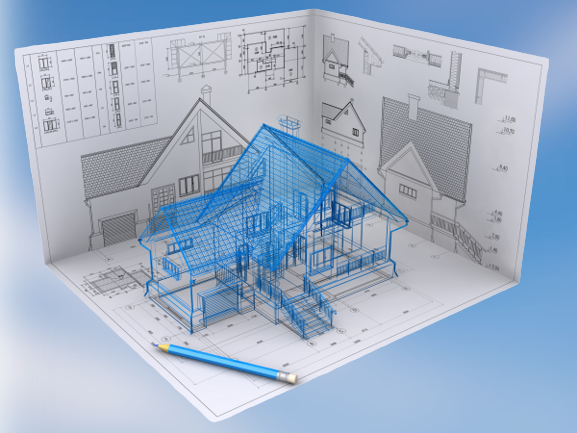
What are BIM Dimensions – 3D, 4D, 5D, 6D, and 7D BIM Explained
Building Information Modeling (BIM) relies on data sets to produce and manage building information. Categorising these data sets makes them easier to manage, hence the overall process more efficient. In the language of BIM, these categories are called “Dimensions”.
So, what are BIM Dimensions? How many are there, and how do they help the AEC Industry?
What are BIM Dimensions?
Specific parameters are added to the 3D BIM Model in the form of BIM Dimensions. These Dimensions are useful to adapt the BIM model to specific use cases.
BIM goes well beyond the 3D (Geometry) to include Time (4D), Money (5D), Sustainability (6D), Facility Management (7D) and much more. BIM Tools like Autodesk Revit manage these dimensions, in-built or through allies like Navisworks. But how does adding new dimensions, such as Time and Money help the construction process?
The Basics: 3D BIM
3D is the fundamental of BIM. All information regarding a building model exists in 3D. It defines the building geometry in terms of its length, breadth, and height.
BIM helps in visualizing the structure in 3D and allows cloud collaboration, involving all the stakeholders simultaneously. AEC professionals are able to design and plan better when all changes are instantly communicated.
The true potential of BIM lies beyond 3D.
4D BIM and its Advantages
4D BIM deals with time. After the 3D BIM model is prepared with all design elements, it is digitally integrated with the project schedule.
With 4D BIM, designers can visualise project timelines and the evolution of a project. This helps with planning and detailing project assemblies and detecting points of conflict at an early age. It also keeps a check on the compliance of a project to the schedule.
Using 4D BIM:
⦁ The project timelines are set and adjusted based on realistic conditions and data.
⦁ Enhances collaboration between the different disciplines involved in the project. Now everyone knows what to do, and when.
⦁ Improves on-site safety and working efficiency.
How does 5D BIM help the AEC Industry?
Another headache for architects is constantly updating cost estimates with the ever-changing design. “Here! break that wall, and change the stone in the kitchen. I need the updated plans, elevations, sections and views by tomorrow. Oh, and update the estimate accordingly!”
Thankfully, 5D BIM allows you to link the BIM Model with the cost estimation of the project. Now every change will instantly reflect across all drawings, including the estimate!
With 5D BIM the stakeholders can visualise the project budget over time. It also makes easy the comparison of estimations with actual costs, keeping overruns in check.
Here is why 5D BIM is a boon for the AEC Industry:
⦁ The estimate keeps pace with the changes in design.
⦁ 5D BIM automates the process of cost and budget analysis.
⦁ With overall increased efficiency, cost reporting reduces overruns and delays.
6D Energy: Sustainability with BIM
BIM allows for digital tracking of the building’s complete lifecycle. Energy consumption of the building becomes an integral part of that information. 6D BIM tracks the operational energy of a building.
This allows designers to carefully consider the means of conserving and spending energy on the project. 6D BIM optimises the energy consumption of a building. It helps create an efficient design with effective energy management.
6D BIM saves the day by:
⦁ Helping with better management of building infrastructure and operations.
⦁ Strategize better for the building components, in the design phase itself.
⦁ Reduce the overall carbon consumption in the building.
7D BIM and its Advantages
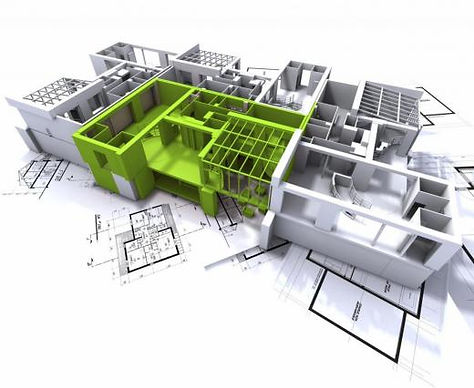
Another significant part of building management during its operations phase is the facilities. With 7D BIM, this aspect is also taken care of.
7D BIM helps the building owners and managers with the operation and maintenance of different facilities in a building. It is immensely helpful during the lifecycle of a building.
The top 3 advantages of 7D BIM are:
⦁ Optimized management of the building facilities.
⦁ A streamlined maintenance process.
⦁ Repair and maintenance made simple.
And that’s not All!
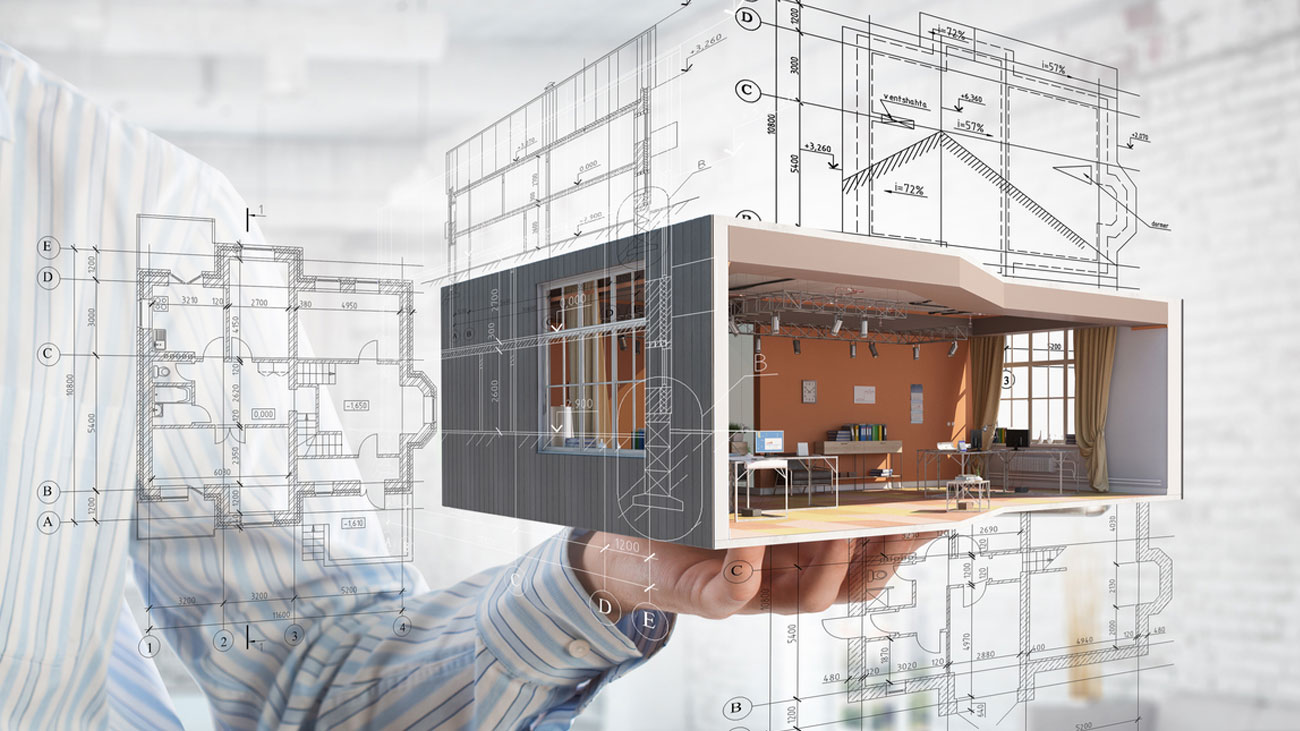
And the list doesn’t stop at 7! BIM has many more utilities beyond the 7 dimensions. There is 8D BIM– safety in construction; and 9D BIM– optimisation of the construction process; even 10D BIM!
Using BIM Dimensions is an efficient way to communicate a varied range of information about a project. BIM dimensions help AEC professionals visualise the components of a project in coordination with each other.
BIM is a boon, but to utilise it to its best potential one needs a thorough understanding of all its dimensions. At nCircle, experts in BIM workflows leverage the power of the latest technology such as AI/ML to accelerate project efficiency. We strive to provide innovative digital building solutions through BIM Automation tools powered by AI/ML.
FAQs
Q. What are 4D & 5D dimensions of BIM?
4D is the time dimension (project scheduling) and 5D is money (cost estimation) in BIM.
Q. What is 4D 5D 6D or 7D?
4D, 5D, 6D, and 7D are BIM dimensions, that refer to the kind of information shared through a BIM model.
Q. What is 9D BIM?
Also known as lean construction, 9D BIM is the optimisation and streamlining of steps in project implementation.
Q. What is 6D and 7D BIM?
6D BIM talks about the energy consumption of a building. 7D BIM is the building life cycle, which caters to the facility management of a building.
Q. What is BIM 10D?
10 BIM enables industrialized construction by leveraging the latest technology in the building project.