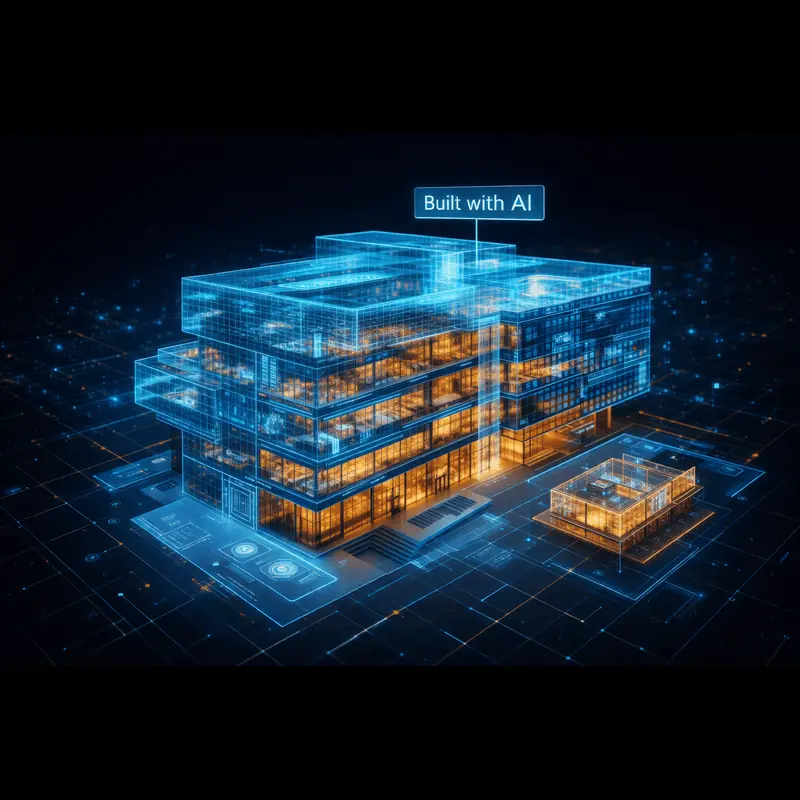
AI-Powered Engineering-Deep Learning & ML for Scan-to-BIM, Visualization & Cost Intelligence

Deep Learning & Machine Learning for Intelligent BIM, Digital Twins & Engineering Automation


Manual engineering workflows cost AEC firms time, money, and accuracy they can't afford to lose. nCircle Tech's AI-powered BIM engineering services replace those bottlenecks with deep learning and machine learning frameworks embedded directly into your project pipeline. We automate Scan-to-BIM from point cloud data, generate photorealistic visuals from Revit models in seconds, predict manufacturing costs before a component reaches the factory floor, and track RFIs automatically. Industry-specific. Production-proven. Deployed across AEC and manufacturing firms in 15+ countries. 


Transforming Traditional Engineering into Intelligent AI-Driven Workflows

AI-Powered Scan-to-BIM Automation

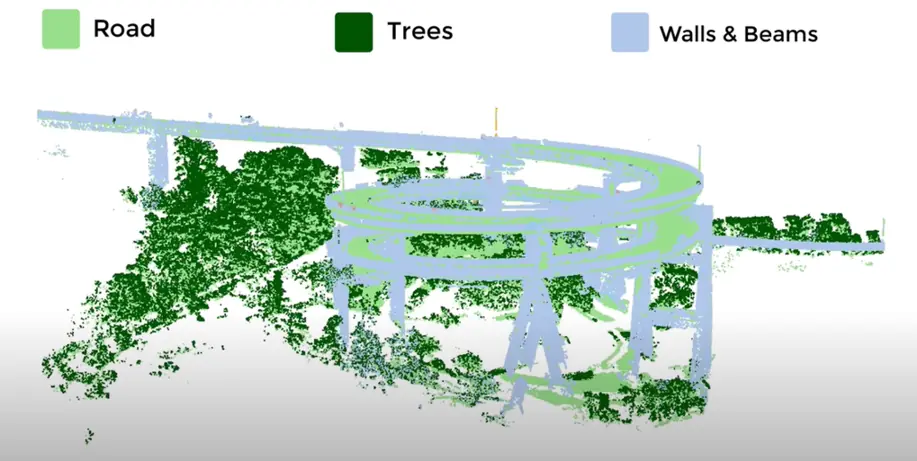
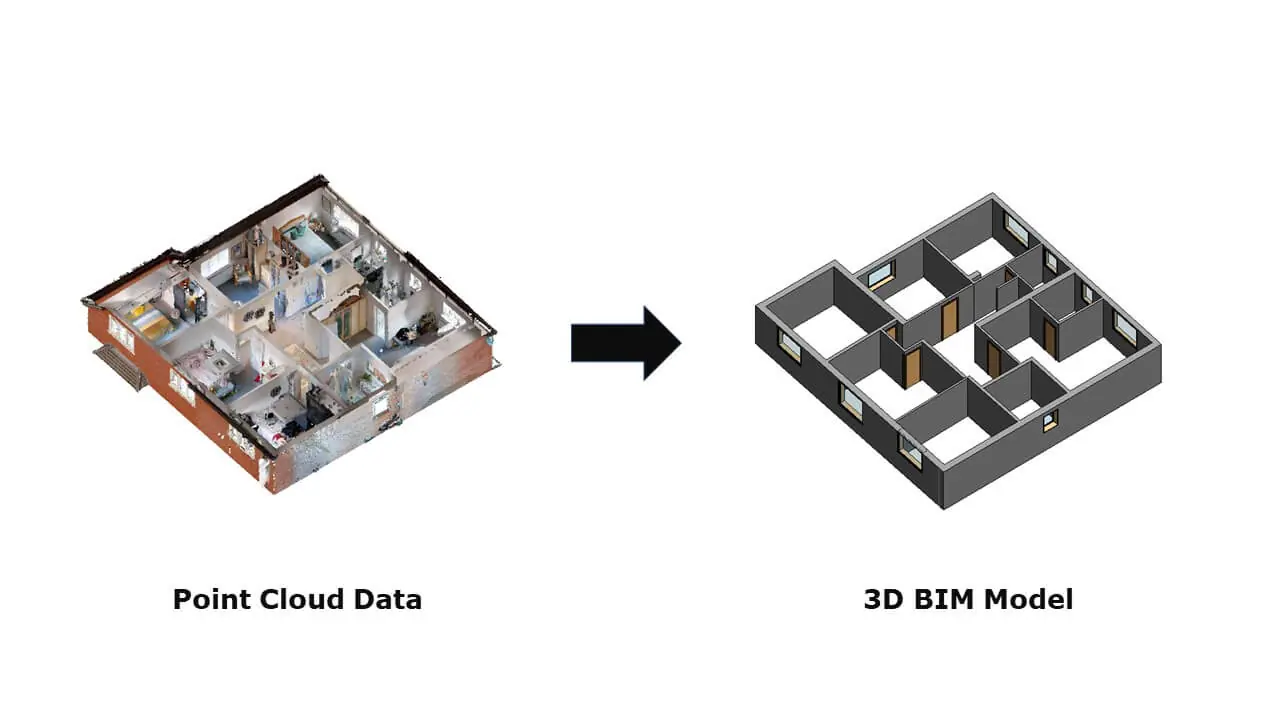
We develop AI-powered Scan-to-BIM automation for telecom, vertical, and horizontal infrastructure, converting point cloud and 3D scan data into structured BIM models without manual modelling.

Intelligent Document & Drawing Analysis

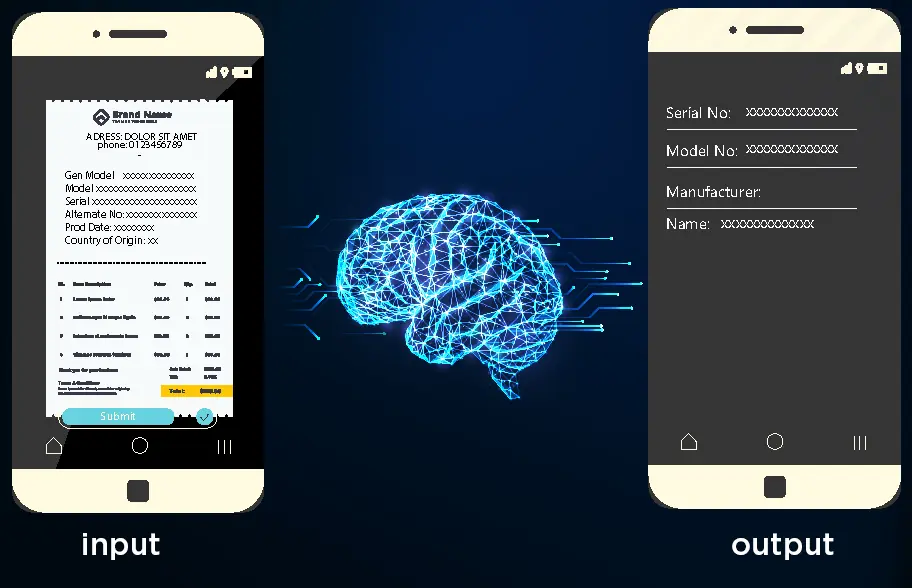
Our AI-powered solution extracts critical data from PDFs, drawings, and specifications, reducing manual review effort, minimizing errors, and accelerating project planning.

Predictive Design & Clash Detection

Using historical project data and AI-driven analytics, our solutions detect clashes and design issues early, improving first-time accuracy.

Adaptive Workflow Scaling

From small buildings to large portfolios, our AI-driven BIM workflows scale seamlessly across projects, maintaining consistency and quality at every level.

nVisionAI — DL-Powered Visual Intelligence

nVisionAI uses deep learning to convert BIM and Revit models into high-quality photorealistic renders in seconds.

Integrated AI Across the BIM Lifecycle

We embed intelligence at every stage—design, construction, and operations—transforming static BIM into a predictive, self-improving system that delivers measurable project outcomes.

AI-Driven Cost Estimation & Component Cost Prediction

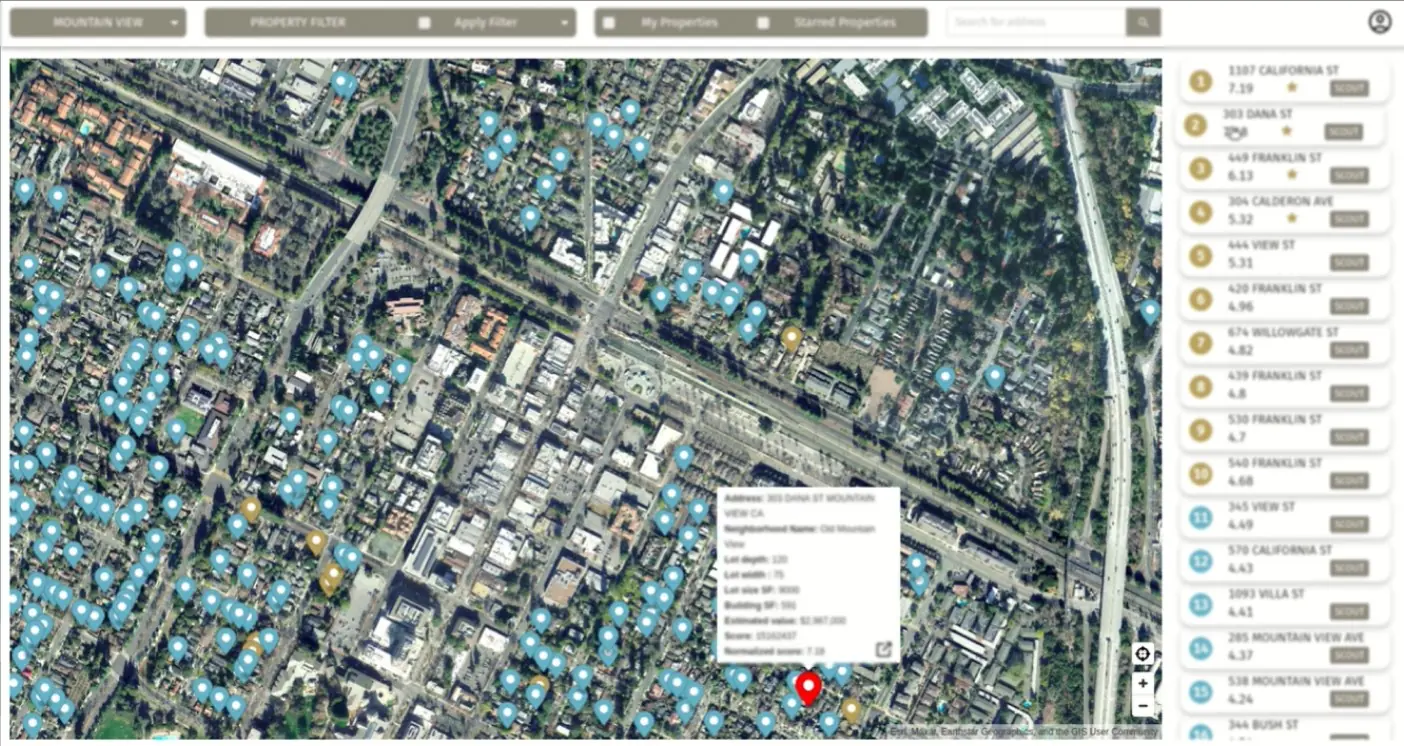
Our AI-powered solution predicts manufacturing component costs using CAD data and historical inputs, enabling accurate early-stage cost estimation and better design-to-cost decisions.

RFI & Submittal Tracking Automation

Automatically lists open and overdue RFIs and submittals, highlighting critical items using AI-driven analytics to help project teams prioritize actions, accelerate resolution, and maintain project timelines.

Why AI Matters for AEC & Manufacturing

Business Outcomes Driven by Deep Learning & Machine Learning

Adaptive Learning Models
• ML systems continuously improve using your actual project, asset, and production data. The more projects run through the system, the more accurate and faster it becomes — without requiring manual retraining.
High-Fidelity Digital Outputs
• Deep learning enhances modelling accuracy, visualisation quality, and engineering insights. From sub-millimetre point cloud classification to photorealistic renders, outputs meet professional AEC delivery standards.
Predictive Risk Mitigation
• ML algorithms detect design, coordination, and operational risks early — before they become site problems or change orders. Predictive clash detection and cost modelling shift risk from reactive to proactive
Accelerated Delivery Cycles
• Automation powered by DL & ML reduces design, validation, and execution timelines — not by cutting corners, but by eliminating the manual steps that add no value to the output.
Reduced Manual Engineering Effort
• Intelligent automation minimises repetitive modelling, documentation, and review tasks. Engineers focus on design decisions and quality control — not data entry and file conversion.
Scalable AI Deployment
• Deploy DL & ML consistently across multi-project construction programmes and multi-plant manufacturing environments. The same model, the same standards, the same output quality - regardless of project size or geography.
Hero Image

nVisionAI — DL-Powered Visual Intelligence

From Revit Models to Photorealistic Visuals - Instantly


nVisionAI uses deep learning to convert BIM and Revit models into high-quality photorealistic renders in seconds. Powered by generative AI architectures, it eliminates hours of manual rendering work and delivers consistent visual output at scale — across architectural design reviews, client approvals, and industrial project visualisations. The system learns the geometry and material relationships within your model, applying realistic lighting, textures, and environmental context automatically. 


Key capabilities: 

  • Generative Design Visualization - photorealistic renders directly from BIM and Revit models 
  • Edge-to-Image Translation - enhances model edges with learned styles, materials, and lighting 
  • Prompt-Based Customization - control visuals using AI-driven text or image prompts 
  • Scalable Visual Intelligence - consistent render quality across multi-project portfolios

Impact: 

  • Rendering time cut from hours to seconds using deep learning automation 
  • Faster design iterations - rapid visual feedback accelerates design refinement cycles 
  • Faster stakeholder approvals - high-quality visuals reduce back-and-forth review cycles 
  • Consistent visual quality across large project portfolios without manual effort 


ML-Powered PDF & Document Intelligence for Engineering

Transforming Unstructured Engineering Data into Structured Digital Intelligence


Engineering and manufacturing projects contain critical information locked in PDFs - drawings, BOQs, BOMs, inspection reports, technical specifications, shop drawings, and compliance documents. Most organisations spend thousands of hours manually extracting and re-entering this data into their systems. nCircle Tech's ML-powered document intelligence eliminates that entirely.


Our ML systems: 


  • Automatically extract engineering- and production-relevant data from any PDF format 
  • Apply context-aware parsing across AEC and manufacturing documents 
  • Perform semantic tagging and data enrichment for downstream use 
  • Enable natural-language search and AI summarization across document libraries 
  • Integrate structured data into BIM, PLM, ERP, and enterprise systems


The result: documents evolve from static files into structured, decision-ready datasets. Explore our dedicated ML-powered PDF analysis service for more detail on how this works in practice. 

Case Studies

Videos

Testimonials

Frequently Asked Questions

How do ML-powered BIM engineering services benefit the AEC industry?
ML-powered BIM engineering reduces the manual effort required for Scan-to-BIM conversion, document processing, clash detection, and design validation — allowing AEC teams to deliver projects faster with fewer errors. Key benefits include up to 50% reduction in Scan-to-BIM processing time, automated extraction of data from engineering documents, early-stage clash detection before design is finalised, and AI-driven cost predictions at the design stage. The technology also improves consistency across large project portfolios, where manual workflows introduce variability.
What is the advantage of ML in converting point cloud data to BIM models?
Machine learning automates the most time-consuming part of Scan-to-BIM: identifying and classifying every element in a raw point cloud. Without ML, a modeller manually traces walls, identifies columns, and labels MEP components — a process that takes days or weeks for a large building. With ML, the same classification happens automatically in a fraction of the time. nCircle Tech's ML Scan-to-BIM system reduces processing time by up to 50%, produces outputs compatible with all major BIM platforms including Revit, ArchiCAD, and IFC, and delivers higher consistency than manual modelling — eliminating the human variation that creates coordination issues downstream.
How much faster is ML-powered Scan-to-BIM compared to manual workflows?
nCircle Tech's ML-powered Scan-to-BIM automation reduces processing time by up to 50% compared to traditional manual workflows. In a documented case study, a complete BIM model was delivered from raw scan data within a single working day — a turnaround that would typically require 3–5 days manually. The exact time saving varies based on building complexity, scan quality, and required LOD. Contact our team for a project-specific estimate.
How does ML-powered Scan-to-BIM affect team productivity?
By automating labour-intensive classification and modelling tasks, ML-powered Scan-to-BIM frees engineers and modellers to focus on quality control, coordination, and value-added design work rather than repetitive data conversion. Teams handling multiple scan projects simultaneously can process larger volumes without additional headcount. Fewer manual steps also mean fewer rework cycles — errors introduced during manual modelling are eliminated at the source, improving overall delivery quality.
How does ML integration in Scan-to-BIM workflows improve collaboration across construction teams?
ML-powered Scan-to-BIM produces structured, LOD-compliant BIM models that integrate directly with collaboration platforms like Autodesk Construction Cloud (ACC), Revit, ArchiCAD, and Navisworks. Multiple project teams — architects, structural engineers, MEP contractors, facility managers — can access the same accurate 3D model with real-time data, reducing coordination conflicts and improving decision-making across project phases. The AI output is not a black box: every classified element is traceable back to its point cloud source for audit and verification.

Ready to Transform Engineering with AI?

From DL-powered visualisation to ML-driven Scan-to-BIM and digital twin intelligence, nCircle Tech embeds AI across AEC and manufacturing workflows — at scale. Talk to our team about your specific project challenges. No generic demos - just a focused conversation about what AI can do for your workflows.